Social Media That Respects How Each Platform Actually Works
Every platform has its own mood. People open Instagram for one reason and LinkedIn for another. TikTok is fast. YouTube needs patience. We don’t force the same idea everywhere. We look at how people use the platform and plan around that. How often to post, what format to use, and how casual or direct the tone should be. When content matches the way people already scroll and watch, it doesn’t feel like an ad. It feels like it belongs there. That’s usually when people stop and engage.
Content That Sounds Like the Brand, Not the Agency
No two brands should sound the same. Working across different industries helps us switch gears quickly, but the voice always stays true to the brand. Some briefs need a serious tone. Others need warmth or energy. We adjust based on context, not templates. Ideas come from paying attention to the audience, not jumping on trends for the sake of it. When content feels natural and relevant, it stays clear and does its job without trying too hard.
Websites That Feel Easy, Not Overdesigned
For many people, the website is their first real interaction with a brand. It’s also the brand’s digital real estate. We build sites that are easy to move through and easy to understand. Pages load cleanly. Navigation makes sense. Design supports the message instead of distracting from it. Content, development, security, and e-commerce are handled together, so nothing feels stitched on later. When a site works the way people expect it to, they stay longer and trust it faster.
Influencer Work That Doesn’t Feel Forced
Influencer marketing falls apart when it feels staged. We look for creators who already fit the brand instead of trying to reshape them. Follower count comes second. What matters more is audience fit and credibility. We manage outreach and collaboration carefully so the process stays simple and the content feels natural. When the partnership makes sense, the response usually does too.
Making Products Easier to Find on Google
For retail brands, visibility matters as much as pricing. If people can’t find the product, nothing else matters. We help set up and manage Google Merchant accounts so listings appear clean and accurate where shoppers are already looking. Feeds are organised properly. Catalogs are structured to reduce errors. This helps products show up consistently without leaning only on ads. With everything managed in one place, brands get clearer data and steadier traffic from shoppers who already have intent.
Paid Ads With a Reason Behind Them
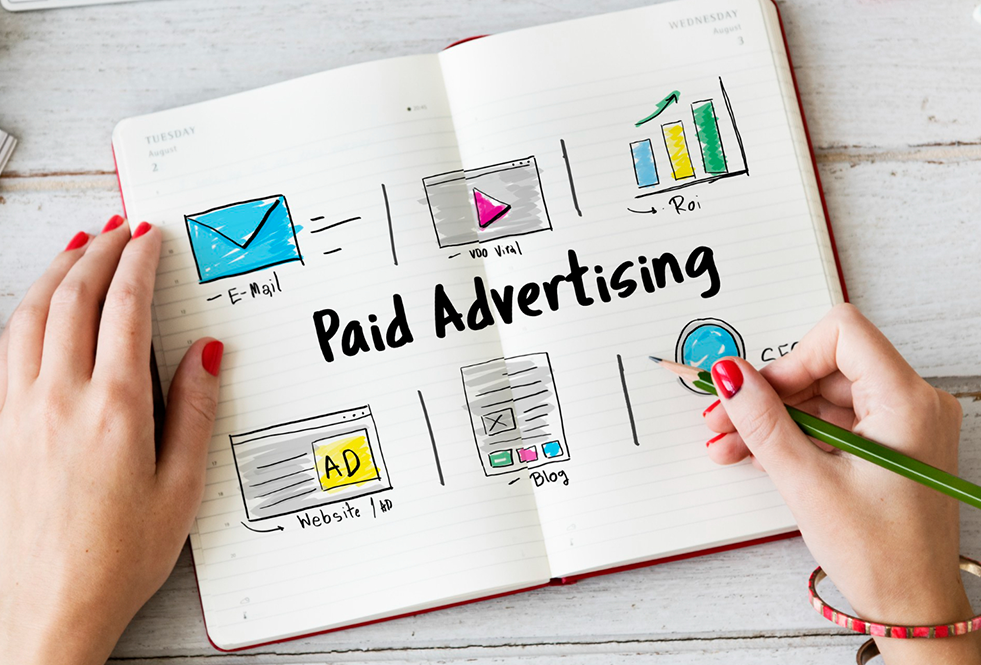
Ads shouldn’t exist just to spend budget. Every campaign starts with a clear purpose. Awareness, engagement, or leads. Formats are chosen based on how people behave on the platform, not what looks flashy. Performance is checked early, so changes happen while there’s still room to improve. Over time, this keeps spend efficient and results predictable, with ads supporting growth instead of chasing quick spikes.
Google Ads That Go After the Right People
Google Ads work best when they target intent, not volume. We plan campaigns around what people are actually searching for and match ads closely to landing pages. Nothing is left vague. Campaigns are reviewed regularly to control costs and improve performance. The aim is not more clicks, but better ones. When the traffic quality improves, conversions usually follow.
SEO Built Slowly and Properly
SEO takes time. There’s no way around that. We start with search intent and site structure, then make sure the content is clear and easy to navigate. Basics like mobile experience, speed, and clean architecture are handled upfront. Not as fixes later. Off-page work is used to build credibility in relevant places, not everywhere. Over time, this brings in people who are already looking and helps the site earn trust instead of chasing it.